

U.S. Coast Guard leaders have publicly acknowledged that riding on high-speed craft can lead to traumatic brain injuries (TBI).
Adm. Kevin Lunday, commandant of the Coast Guard, reportedly emailed the force warning of the physical dangers associated with the vessels, according to medical publication U.S. Medicine, which reported on the correspondence on Tuesday.
Military.com has not seen or verified its contents, and reached out to the Coast Guard for comment and confirmation.
“Our crews operate in a dangerous and unforgiving maritime environment,” Lunday reportedly said. “The demands of our missions are immense. We owe it to you to protect your long-term health from the damage caused by relentless wave pound, blast overpressure and other concussive events that may cause injury.”

TBI occurs after a sudden blow to the head and causes various physical and mental symptoms.
Between 2001 and 2025, roughly 556,502 veterans screened positive for TBI or a TBI-related diagnosis in Department of Veterans Affairs (VA) medical records, or filed claims for VA disability compensation.
More Than Half of Surfmen Report Head Injuries
Lunday’s email came after the New York Times reported on a survey detailing PTSD and personality changes in service officials.
The survey found that 60% of active and retired surfmen had experienced head injuries during service, with 58% experiencing dizziness or confusion afterward.
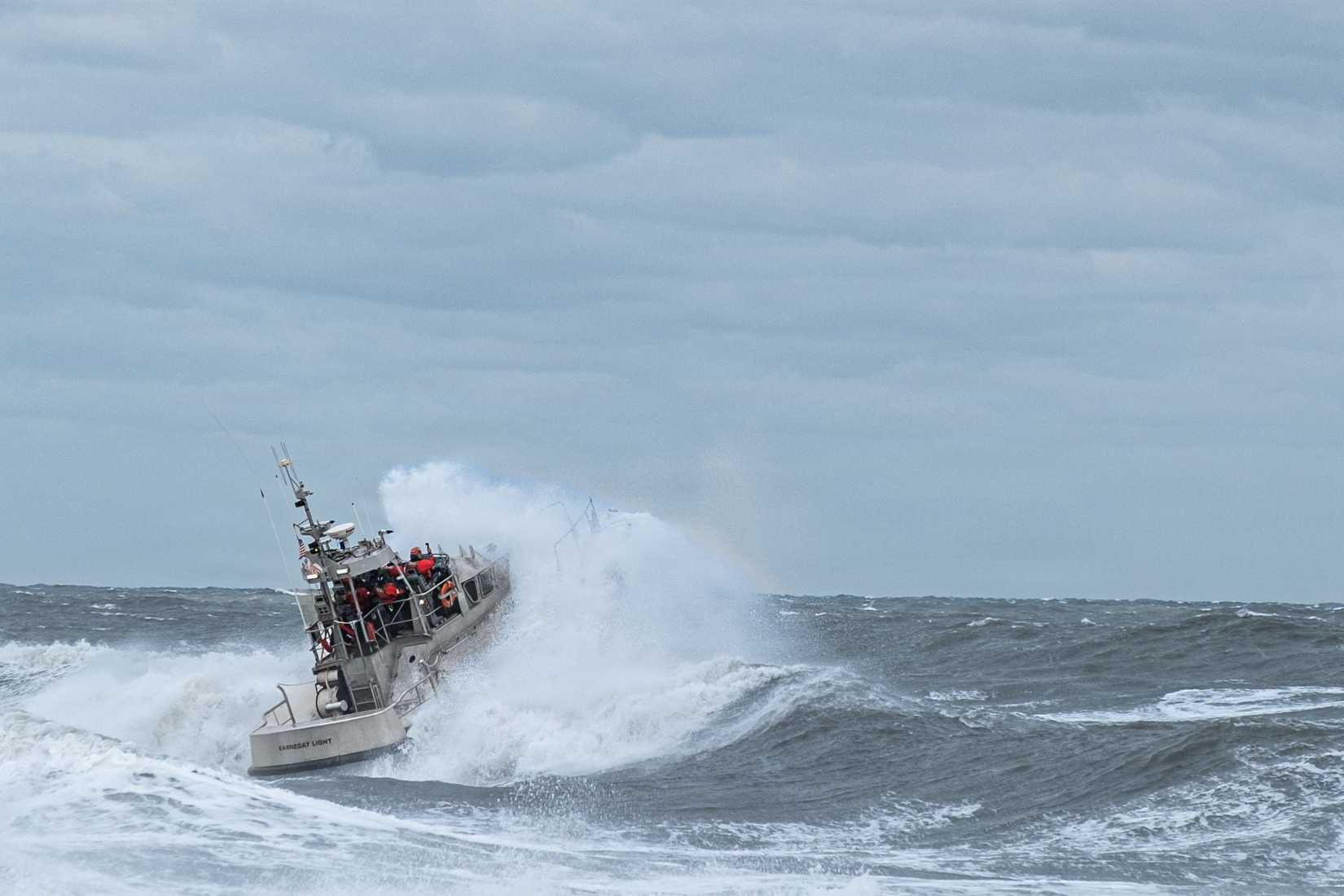
It also found that the majority were not examined by a medical professional after injury, while nearly all respondents said they had lived with constant pain following service.
It was prompted by Kayleigh Bonner, whose father, retired Coast Guard surfman Brett Bonner, died by suicide in February 2025.
Coast Guard Brain Initiative
Lunday said he directed a brain health initiative in April “to improve how we prevent, recognize and treat brain injuries.”
“That includes training crews and supervisors on how to recognize brain injuries and encouraging our people to come forward and report symptoms indicating potential injuries,” Lunday said.
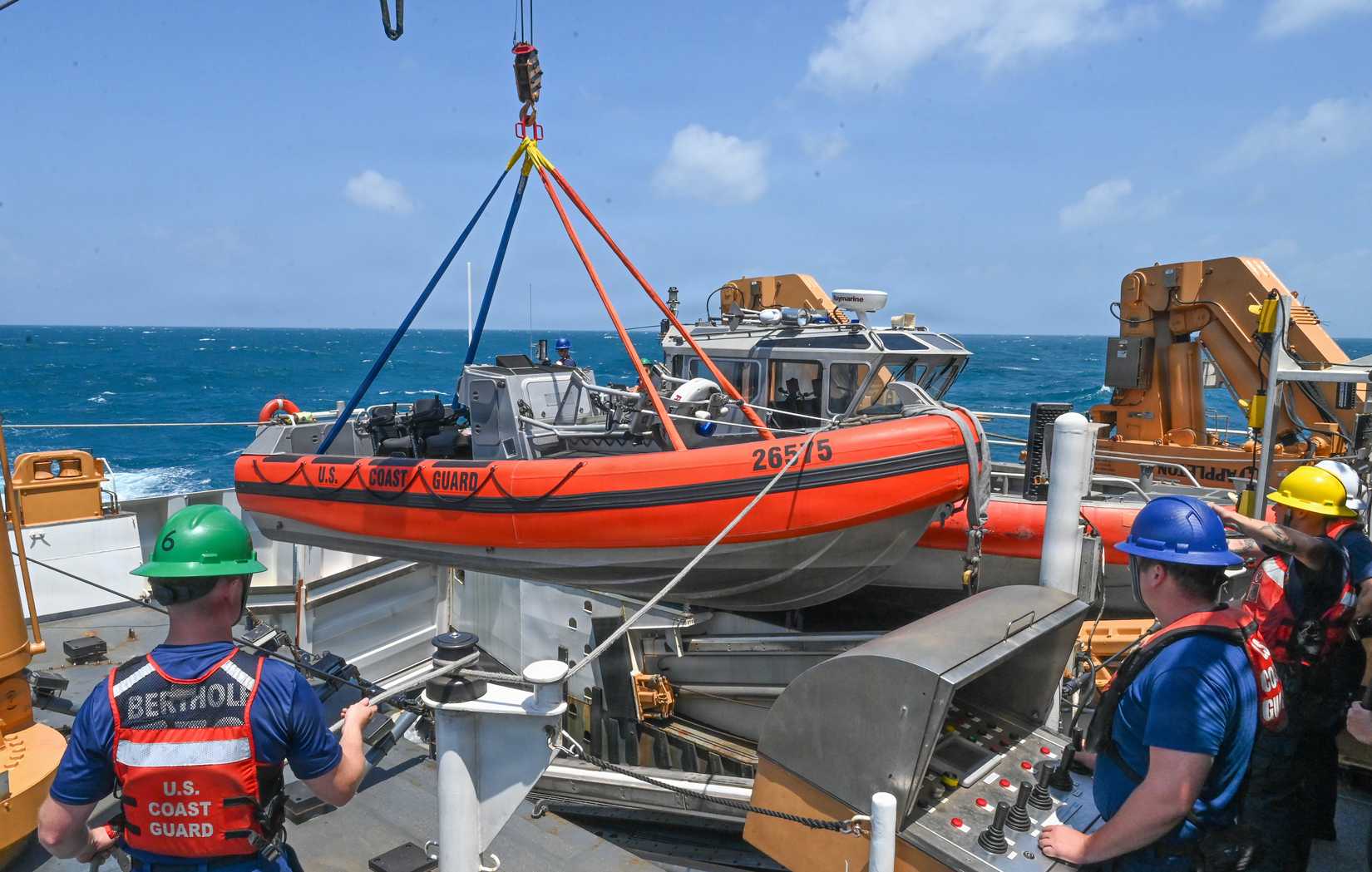
The Coast Guard is not the only service that has faced scrutiny regarding its protection of service members from TBIs.
In September, a congressional report found that the Navy failed to protect pilots from brain injuries sustained on fighter jets.
A U.S. Government Accountability Office (GAO) study in August found that the DOD must assess the resources needed to monitor its research into military blast exposure—a similar condition that accumulates over time when military personnel are exposed to weapons, training and other blasts.
“We need leaders at every level to ensure our people are aware of potential brain injury symptoms, get medical attention without hesitation or fear of stigma, and receive proper medical care,” Lunday added.